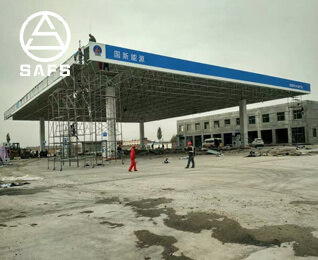
Dapeng Town Industrial Park, Tongshan District, Xuzhou City, Jiangsu Province, China
Structural design is the soul of steel-framed buildings. It not only determines the building’s appearance and functionality but also directly impacts steel consumption, construction efficiency, safety, and durability. A well-executed structural design often achieves the goals of “saving steel, labor, and costs while making the building stronger and safer.”
I.Structural Design: The Key to “Steel Savings”
In steel structures, steel serves as the primary material, with its consumption directly impacting project costs and construction efficiency. However, effective structural design does not equate to “more steel being better,” but rather “using steel more rationally and efficiently.”
Through rational structural layout, unnecessary components and connections can be avoided, thereby reducing steel usage. For example:
– Adopting frame or truss structures effectively reduces redundant beams and columns;
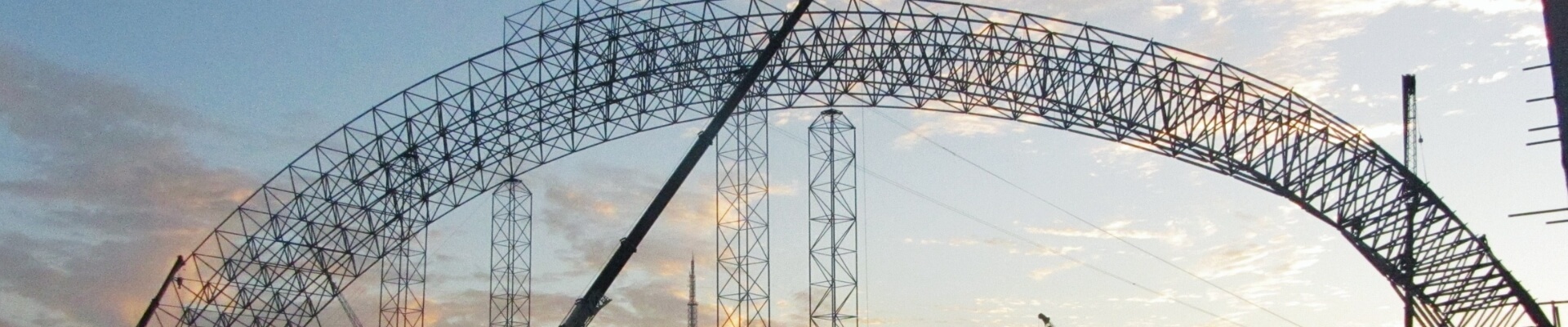
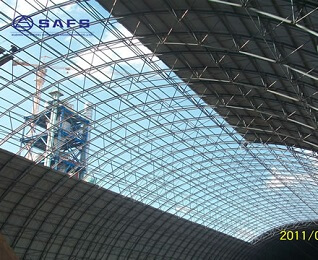
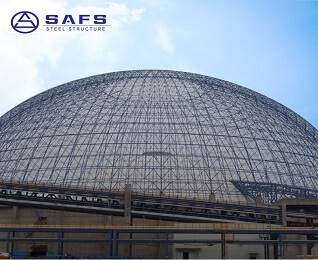
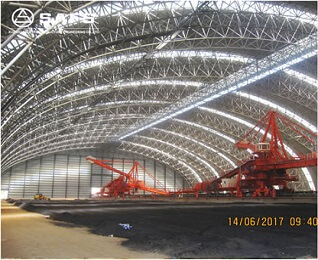
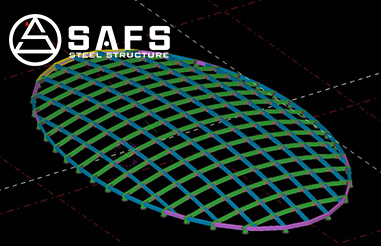
– Utilizing spatial or long-span structures minimizes the number of support members;
– Implementing light steel or composite structures achieves “lightweight yet high strength.”
Steel offers advantages such as high strength, high toughness, and excellent weldability, but its application must be judicious. Through optimized structural design, steel’s properties can be fully leveraged while minimizing unnecessary consumption.
II.Structural Design Ensures “Robustness”
Structural design concerns not only “steel savings” but also building safety and durability. A well-executed structural design ensures the building remains stable and secure under various loads (e.g., wind, snow, earthquakes, temperature fluctuations).
Through rational structural layout and component connections, overall stability is improved, reducing risks of local deformation and failure.
Optimized design minimizes stress concentration, preventing localized fatigue and corrosion, thereby extending the building’s service life.
A well-designed structure facilitates smoother construction processes, enhances worker safety, and reduces accidents.
As steel structure builders, we consistently adhere to the principles of “scientific design, rational steel usage, and safety reliability” to deliver high-quality, efficient, and secure steel structures to our clients.