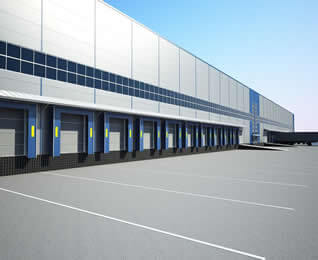
Dapeng Town Industrial Park, Tongshan District, Xuzhou City, Jiangsu Province, China
This paper takes Johor Bahru as an example. As the capital of Johor State, Johor Bahru, Malaysia, enjoys an exceptionally advantageous geographical location adjacent to Singapore. It serves as the land gateway connecting Malaysia and Singapore and is a vital logistics hub within the Southeast Asian region. The area experiences a typical tropical rainforest climate, characterised by high temperatures and humidity throughout the year, abundant rainfall, and occasional monsoon influences. Topographically, Johor Bahru is predominantly characterised by gentle rolling hills and low-lying areas near the coastline, necessitating careful consideration of foundation conditions.
In developing a warehousing within such a dynamic region, we must not only prioritise the functionality and efficiency of the structure but also integrate the climate, topography, and the area’s diverse cultural character into the design. This approach aims to create a modern industrial facility that is both practical and imbued with distinctive regional identity.
Why is steel structure the preferred choice for logistics warehousing facilities?
For industrial premises at the Johor Bahru Logistics and Warehousing Centre, we strongly recommend adopting steel structures. Their advantages align exceptionally well with the logistics sector’s requirements:
Rapid construction to seize market opportunities: Steel components can be prefabricated in factories and assembled swiftly on-site. Within the logistics industry’s time-sensitive market environment, this enables projects to be completed and operationalised rapidly, shortening the investment return cycle and allowing earlier capture of commercial opportunities.
Lightweight construction, adaptable to complex geology: Compared to traditional concrete structures, steel frameworks possess lower self-weight, requiring relatively less foundation bearing capacity. In areas of Johor Bahru potentially featuring soft ground or hilly terrain, this effectively reduces foundation costs while enhancing construction adaptability.
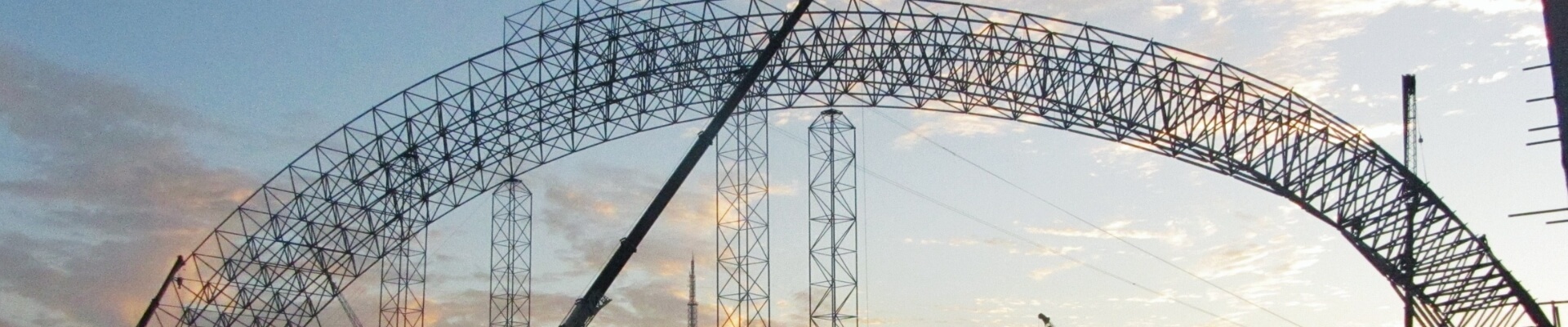
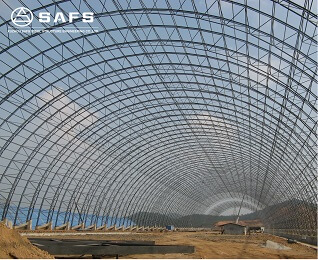
Large-span spaces, ultimate efficiency: Logistics warehouses require expansive column-free areas to efficiently store large volumes of goods and facilitate flexible operation of various handling equipment. Steel structures readily accommodate large-span designs, maximising internal space utilisation.
Wind and earthquake resistance, safety and reliability: The toughness and ductility of steel enable it to better absorb and dissipate energy during strong winds or occasional seismic events (while Malaysia’s seismic risk is low, compliance with codes remains essential), ensuring structural safety and stability.
High flexibility for future development: Steel structures facilitate straightforward retrofitting or expansion, readily adapting to evolving logistics operational models and future growth in scale.
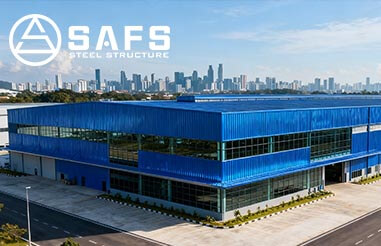
Design Essence: Addressing Tropical Challenges, Integrating Local Flavour
In response to Johor Bahru’s climate, topography and unique multiculturalism, our design will emphasise the following aspects:
# 1. Smart Buildings for Tropical Climates
High-efficiency insulation and natural ventilation: With Johor Bahru experiencing high temperatures year-round, thermal insulation is paramount. Roofs should utilise light-coloured, high-reflectivity composite steel panels filled with sufficiently thick insulation material (such as glass wool or rock wool) to effectively block solar radiation heat. Simultaneously, a well-designed natural ventilation system is crucial. Features such as continuous ventilators along the roof ridge and high-level louvred or operable windows in walls promote internal air circulation. This reduces indoor temperature and humidity, providing a cool, dry storage environment for goods while creating a more comfortable working space for staff.
Superior Moisture and Mould Resistance: High humidity is another defining feature of Johor Bahru’s climate. Ground foundations must incorporate reliable damp-proofing measures, such as installing a damp-proof course. Warehouse interiors should ensure adequate ventilation, with consideration given to installing humidity control equipment to prevent goods from becoming damp or mouldy, particularly for sensitive items like paper products and foodstuffs.
High-Performance Drainage System: Monsoon seasons bring heavy rainfall. Roofs must be designed with sufficient drainage gradients and fitted with large-diameter gutters and downpipes to ensure rapid, efficient water removal. This prevents water accumulation that could corrode roofing materials or infiltrate the warehouse interior.
Wind-Resistant Design: Whilst Johor Bahru rarely experiences severe typhoons, monsoon periods may still bring strong winds. The building’s external envelope system (wall panels, roof panels) and all fixings, including doors and windows, require rigorous wind-resistant design to ensure structural integrity and stability under high wind loads.
# 2. Robust Foundations Adapted to Topography and Geology
Precise Geological Surveys: While Johor Bahru features generally flat terrain, coastal or low-lying areas may contain soft soil or silt layers. Detailed geological surveys must be conducted during the project’s preliminary phase. Based on survey findings, select the most suitable and economical foundation type. Pile foundations (e.g., precast piles or cast-in-place piles) may be required to ensure adequate bearing capacity and effectively control settlement.
Site Grading and Drainage Planning: For hilly terrain, necessary site levelling and earthworks balancing are required. Comprehensive drainage planning for the entire logistics park is crucial to ensure effective rainwater collection and discharge, preventing surface water accumulation.
# 3. Integrating Local Character and Sustainable Development
Multicultural Elements: Johor Bahru is a multicultural city where Malay, Chinese, Indian, and other communities coexist. Architectural facades may incorporate vibrant tropical colour palettes or draw inspiration from traditional Malay geometric patterns in decorative elements. This approach imbues industrial buildings with local character and approachability, moving beyond sterile industrial aesthetics. For instance, employing warm-toned wall cladding or installing distinctive sun-shading features at entrances.
Employee-Centric Design: Beyond goods storage, prioritise the working environment for logistics park staff. Provide optimal lighting (combining natural light with efficient LED illumination), comfortable rest areas, and even landscaped greenery with tropical plants to enhance workplace comfort and employee wellbeing.
Energy Efficiency and Green Practices: Leveraging Johor Bahru’s abundant solar resources, rooftop photovoltaic panels can supply clean energy to the logistics park, reducing operational costs while demonstrating corporate social responsibility. Concurrently, implementing rainwater harvesting systems allows collected water to be used for non-potable purposes such as landscape irrigation or toilet flushing, conserving water resources.
The construction of a modern logistics and warehousing centre in Johor Bahru, Malaysia, is not merely the erection of a steel-framed industrial building. It represents the creation of an intelligent logistics hub within this dynamic tropical hub – one that operates with efficiency, withstands natural challenges, and coexists harmoniously with the local cultural environment. Through forward-thinking design, we shall ensure your logistics and warehousing centre not only meets current operational requirements but also reserves ample space for future expansion, positioning it as a pivotal component within the logistics landscape of both Johor Bahru and the wider Southeast Asian region.
Do you have any preliminary requirements regarding the specific functional zoning within the logistics and warehousing centre (e.g., ambient temperature warehouses, cold chain warehouses, automated warehouses)?