
Dapeng Town Industrial Park, Tongshan District, Xuzhou City, Jiangsu Province, China
Anyone who’s worked on construction projects in the Philippines knows the unique pressures: the annual monsoon season that can derail on-site progress for weeks, tight deadlines to get facilities like coal yards or sports venues operational, and the need for structures that balance heavy-load capacity with open, flexible spaces. When it comes to overcoming these obstacles, steel space frames have proven themselves time and again as a top-tier solution – and it all boils down to their unmatched construction speed and adaptive design. Unlike concrete structures, which demand extended curing times and often struggle with customization for large, column-free areas, steel space frames address both efficiency and functionality, even in the Philippines’ humid, rain-prone environment.
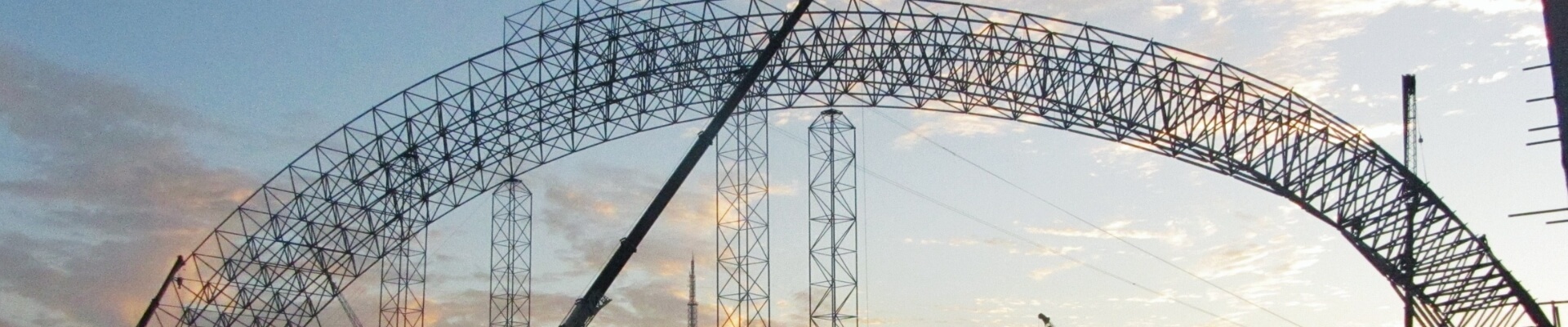
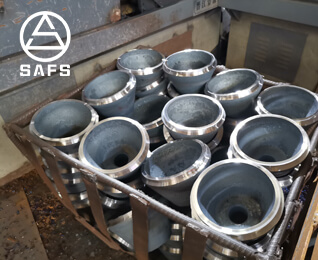
Let’s break down what makes them click for Southeast Asia. First off, prefabrication is everything. We make 80% of the parts in our factory, so on-site installation only takes about a third of the time concrete does. Even if a monsoon hits mid-project, those pre-made parts don’t get ruined – no losing weeks of work. Second, they’re crazy versatile. The grid design lets us make column-free spaces up to 60 meters wide – perfect for Vietnamese factories, Malaysian coastal ports, or Thai event halls. And don’t worry, we don’t skimp on rust protection either. We use a weather-resistant coating made for this region’s salty coasts or humid jungles, so durability isn’t an afterthought.
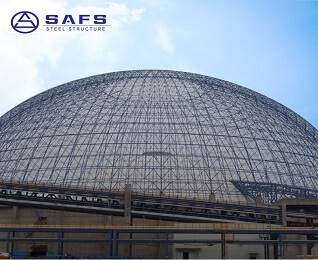
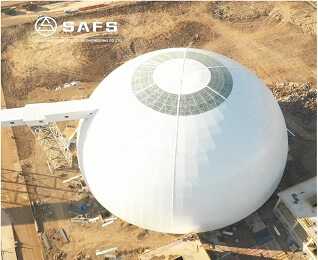
With over 30 years in steel structure manufacturing and construction, we’ve always centered our designs around the unique requirements of Southeast Asia – especially the Philippines, where we’ve completed numerous key projects. Our portfolio in the Philippines covers a diverse range of sectors, including the PANAY coal yard, stadiums, swimming pools. For each project, we tailor the steel space frame to adapt to local weather conditions, align with on-site construction practices, and meet specific spatial demands. Our team has a thorough grasp of local construction regulations and operational norms, enabling us to navigate monsoon-related scheduling challenges and coordinate with local material supply chains effectively to keep projects on track.
We really want to hear your stories! What’s been your biggest headache with construction timelines or space design here in Southeast Asia? Have you used steel structures before, and how did they hold up against those issues? Drop your thoughts in the comments – we’re here to chat tips and help figure out your next project’s problems!