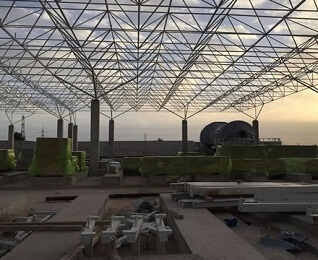
Dapeng Town Industrial Park, Tongshan District, Xuzhou City, Jiangsu Province, China
Steel-framed industrial buildings dominate modern industrial construction due to their rapid construction speed, high spatial efficiency, substantial structural strength, and strong recyclability. However, designing a steel-framed factory that is safe, efficient, economical, and meets production requirements necessitates comprehensive consideration of numerous factors.
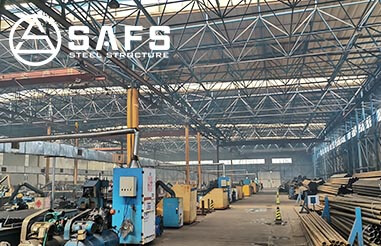
The following are key points requiring particular attention in the design of steel-framed industrial buildings:
1. Structural System Selection and Optimisation: The Framework Determines Everything
Selecting an appropriate structural system forms the cornerstone of factory design, directly influencing the building’s stability, cost-effectiveness, and spatial efficiency.
Define Functional Requirements: First, clarify whether the facility will be used for production, storage, or both. Will it accommodate heavy machinery or overhead cranes? These factors directly dictate the structural system type and load rating.
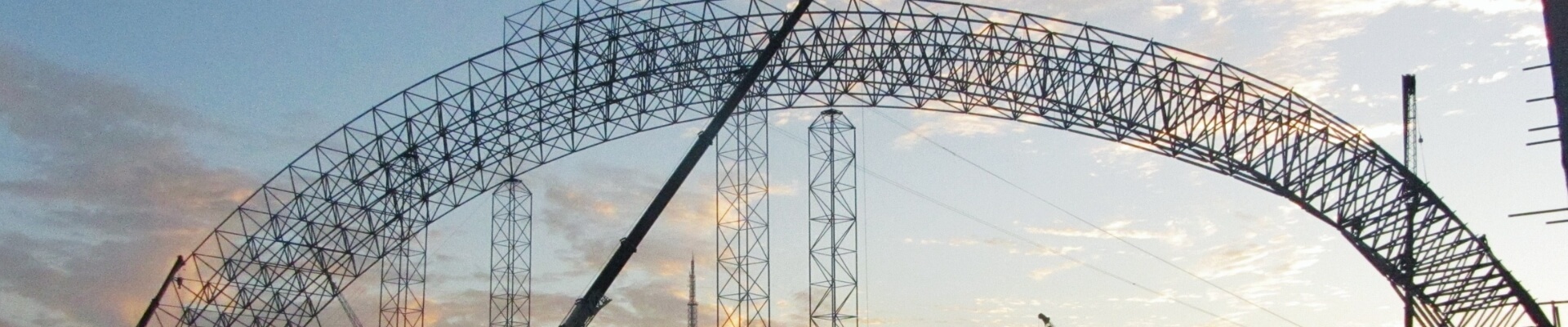
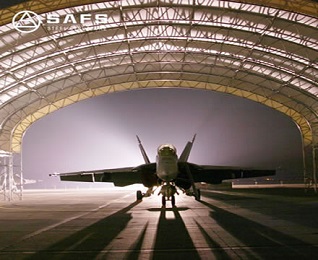
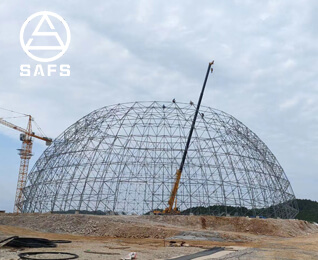
Column grid layout: Rational column spacing and span design must accommodate production process requirements (e.g., equipment arrangement, production line flow) while balancing structural forces, component standardisation, and cost-effectiveness. For large spans, truss, space frame, or arch structures may be selected.
Structural forms: Common steel workshop configurations include rigid frame structures, portal frame structures, and portal frames. Portal frames are widely employed in large-span single-storey buildings due to their lightweight nature and rapid construction. Multi-storey buildings typically utilise frame structures or frame-braced systems.
Seismic and Wind Resistance Design: Rigorous seismic and wind load calculations are conducted based on the site’s seismic intensity and basic wind pressure to ensure structural safety under extreme loads. Bracing systems (such as column bracing and roof bracing) are critical for maintaining overall structural stability.
2. Load Considerations: Foolproof Load-bearing Capacity
Accurate calculation and consideration of all load types form the foundation for structural safety.
Dead Loads:
Include the structure’s self-weight, roof self-weight, and wall self-weight.
Live Loads:
Determined by the building’s functional use, such as roof live loads (maintenance, dust accumulation, snow loads) and floor live loads (equipment, personnel, stockpiling).
Crane Loads: Where overhead cranes are installed, detailed consideration must be given to the crane’s lifting capacity, span, track gauge, operating speed, and the resulting impact and horizontal forces. The crane girders, braking trusses, and associated connection nodes are key design elements.
Special Loads: Such as wind loads, snow loads, seismic loads, and vibration loads from process equipment. For buildings with special production environments (e.g., high temperatures, corrosive conditions), temperature loads and corrosion effects must also be considered.
3. Envelope Systems and Material Selection: Balancing Function and Aesthetics
The envelope system directly influences the building’s thermal insulation, heat retention, waterproofing, and visual appeal.
Roofing Systems: Commonly employed are profiled steel sheet roofs (single-layer or composite panels) and sandwich panel roofs. Considerations include roof pitch, drainage organisation, skylight placement, ventilation openings, and waterproofing details. In humid and hot regions, particular attention must be paid to anti-condensation design for roofs.
Wall Systems: Commonly employed options include profiled steel wall panels, sandwich panel walls, brickwork, or masonry walls. The inclusion of windows, doors, ventilation louvers, etc., should be determined based on functional requirements. For buildings requiring thermal insulation, sandwich panels are the preferred choice.
Material Properties: Select steel, fasteners, and coatings compliant with national or industry standards. For corrosive environments, employ corrosion-resistant steel or apply heavy-duty anti-corrosion treatments.
3. Fire Protection and Corrosion Resistance: Safeguarding the Lifeline of Industrial Buildings
Fire protection and corrosion resistance are critical safeguards for the long-term operational safety of steel-framed industrial buildings.
Fire Protection Design: Steel structures experience a significant reduction in strength at elevated temperatures, making fire protection design paramount. Implement fire protection measures such as fire-retardant coatings, fire-resistant panels, and sprinkler systems to safeguard steel components according to the building’s required fire resistance rating.
Corrosion Protection Design: Steel is susceptible to rust, necessitating effective anti-corrosion treatment. Select appropriate primer, intermediate, and topcoat systems based on the corrosion environment’s severity, or employ long-term protection methods like hot-dip galvanising. Higher corrosion protection levels are required in humid areas or zones with chemical leakage risks.
4. Construction and Economics: Implementation and Value
Design must fully consider construction feasibility and overall project economics.
Standardisation and Factory Prefabrication: Design should prioritise standardised, modular components to facilitate factory prefabrication. This enhances production efficiency and component quality while reducing on-site installation time.
Connection Methods:Prioritise high-strength bolted connections to reduce on-site welding, thereby improving construction efficiency and quality. Welding may be employed where necessary.
Construction Ease:Design considerations should account for the ease of hoisting, transporting, and installing components, avoiding complex joints that prove difficult to construct.
Life-Cycle Costs:
Beyond initial construction costs, account for operational energy consumption (insulation, ventilation), maintenance expenses (anti-corrosion, cleaning), and demolition costs.
In summary, the design of steel-framed industrial buildings constitutes a systematic undertaking requiring multidisciplinary collaboration. From the initial functional definition to the final construction phase, each stage demands meticulous consideration. Close cooperation with experienced structural engineers, process engineers, and contractors is paramount to ensuring the success of your steel-framed industrial building project.
Have you already formulated a preliminary functional concept for your building, or are you considering specific production processes?