
Dapeng Town Industrial Park, Tongshan District, Xuzhou City, Jiangsu Province, China
In industrial buildings, particularly steel-framed structures, fire protection is paramount for safeguarding lives and property while ensuring uninterrupted production. Though robust, steel rapidly loses its strength in high-temperature fires, leading to structural failure. As a company dedicated to delivering superior, secure, and resilient steel structures, we understand how to fortify your premises with an impenetrable safety barrier through optimised fire prevention measures.
Why does steel require fire protection?
While steel exhibits high strength at ambient temperatures, its load-bearing capacity diminishes sharply when exposed to temperatures of approximately 500–600°C. Ordinary fires frequently exceed this threshold. Therefore, providing effective fire protection for steel structures is crucial to prevent rapid collapse during a fire.
Fire protection measures fall into two primary categories: passive and active fire protection. The optimal fire protection strategy involves the organic integration of both, forming a multi-layered defence system.
Passive fire protection measures utilise material and structural design to restrict fire spread, prolonging the structure’s fire resistance rating and securing valuable time for personnel evacuation and firefighting operations.
Fireproof Coatings:
Intumescent Fireproof Coatings: This is the most common method for steel structure fire protection. When exposed to high temperatures, the coating rapidly expands and foams, forming a thick, insulating layer of carbonised foam. This foam layer effectively prevents heat transfer to the steel, delaying its temperature rise and thus preserving its strength. Coatings of varying thicknesses and types can be selected based on the required fire resistance rating.
Thin-film fireproof coatings: Suitable for applications with high aesthetic requirements, these offer a thin coating yet deliver significant fire protection.
Thick-film fireproof coatings:
Offer superior thermal insulation and are suitable for structures requiring higher fire resistance ratings.
Fireproof Panelling/Cladding:
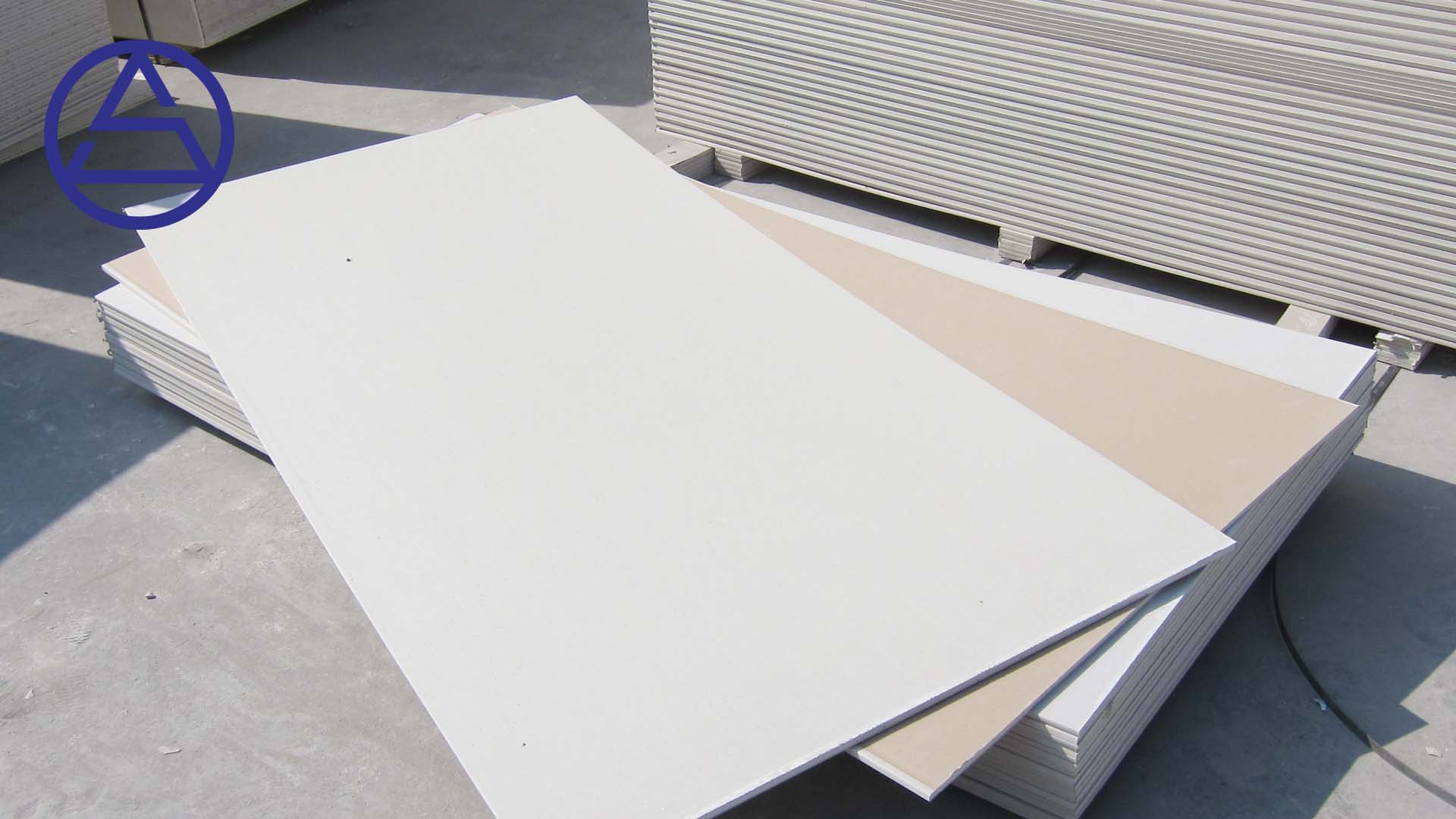
Steel columns and beams are clad using fire-resistant materials such as fireproof gypsum boards, calcium silicate boards, or mineral wool boards. These inherently non-combustible materials possess excellent thermal insulation properties, effectively shielding the steel from high temperatures.
Fire compartments and barriers:
Divide the factory into multiple fire compartments by installing firewalls, fire doors, and fire-rated roller shutters. This effectively confines fire spread within a single zone, preventing the ‘spread of fire’ and safeguarding goods and equipment in unaffected areas.
Fire sealing:
Seal openings for pipes, cables, and other penetrations through firewalls and floor slabs to prevent smoke and flames from propagating through these gaps.
Proactive fire prevention measures utilise equipment and systems to detect, alarm and extinguish fires upon occurrence.
Fire Alarm System:
Installation of smoke detectors, heat detectors, flame detectors and similar devices enables early fire detection. Upon detecting a fire, an immediate alarm is triggered to notify personnel for evacuation and initiate subsequent firefighting procedures.
Automatic Fire Extinguishing System:
Automatic Sprinkler System (Sprinkler System): The most prevalent and effective automatic fire suppression system. When temperatures reach preset thresholds, sprinkler heads automatically discharge water to extinguish incipient fires.
Fire Access Routes and Emergency Lighting:
Ensure unobstructed fire access routes within the premises to facilitate rapid deployment of firefighting vehicles and personnel to the incident site.
Install emergency lighting and evacuation signage to guide personnel to safety during power outages.
To deliver optimal fire protection solutions for your industrial premises, we adhere to the following principles:
Integrated Design: Combining passive and active fire protection measures to form a comprehensive defence network.
Certified Materials: All fire-resistant materials are selected from premium products compliant with national or international standards, accompanied by relevant certifications.
Professional Installation: Application thickness of fire-retardant coatings, installation methods for fire-resistant panels, and other aspects strictly adhere to specifications and product instructions to guarantee construction quality.
Through these optimised measures, your steel-structured industrial premises will achieve exceptional fire resistance, maximising personnel safety, safeguarding assets, and providing robust assurance for your enterprise’s continuous operations.