Dapeng Town Industrial Park, Tongshan District, Xuzhou City, Jiangsu Province, China
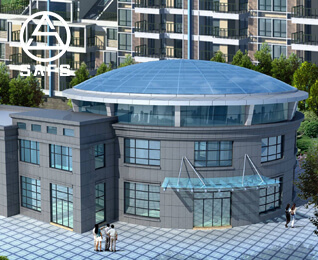
In the design of large-scale science museums, steel-framed glass domes have emerged as a core architectural element due to their multiple advantages, perfectly aligning with the functional requirements and visual positioning of these institutions.
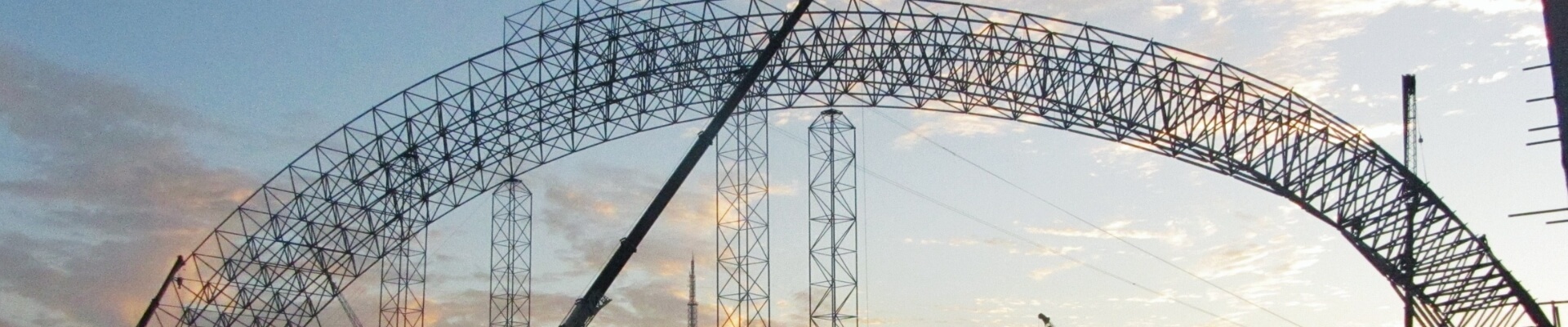
From a structural perspective, steel offers high strength and low self-weight, enabling it to support large-span spaces. It effortlessly covers the museum’s central exhibition area spanning thousands of square meters without requiring excessive internal columns. This creates ample open space for exhibit displays and interactive experiences while avoiding structural obstructions along visitor pathways. Simultaneously, steel structures exhibit exceptional resilience with superior seismic and wind resistance. Paired with high-strength laminated tempered glass, they withstand extreme weather conditions, ensuring the venue’s long-term safety and stable operation.
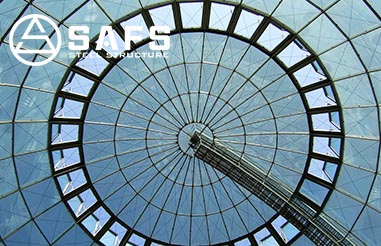
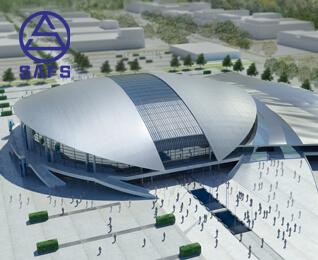
Natural lighting and visual impact represent another major highlight. The all-glass dome maximizes daylight penetration, flooding exhibition halls with uniform, soft illumination. This reduces artificial lighting energy consumption while creating a sense of transparency—as if “conversing with the sky.” — Visitors viewing aerospace and astronomy exhibits can look up to experience natural daylight, feeling as if immersed in outer space, enhancing the immersive experience of the technological theme. By day, the glass dome reflects blue skies and white clouds, becoming an iconic exterior feature of the science museum; by night, internal lighting radiates outward through the dome, creating a dazzling “beacon of technology” visual effect that elevates the venue’s recognizability.
Additionally, the steel-framed glass dome offers excellent adaptability and environmental sustainability. Prefabricated steel components can be assembled on-site, shortening construction timelines and minimizing disruption to the venue’s schedule. Low-E energy-saving glass can be selected to reduce the venue’s cooling and heating energy consumption, aligning with green building principles. For specialized functions common in science museums, such as astronomical observation and dome theaters, the steel-framed glass dome can incorporate pre-installed equipment interfaces. This accommodates diverse technological exhibition needs, truly achieving a perfect blend of aesthetics and functionality.