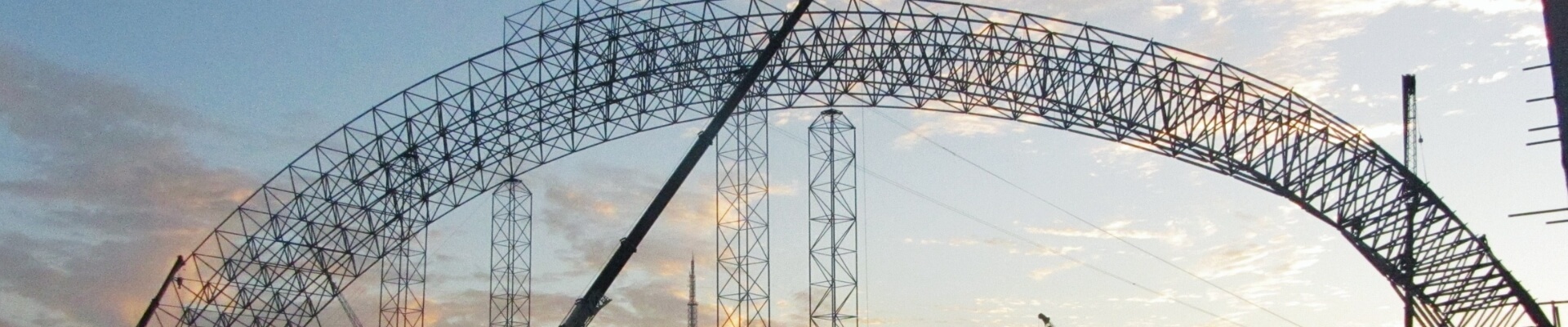
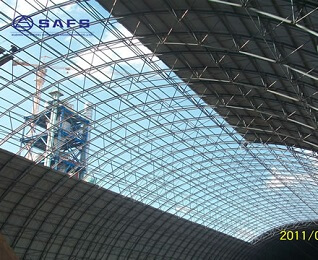
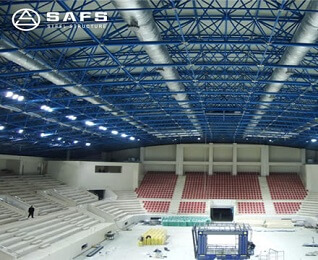
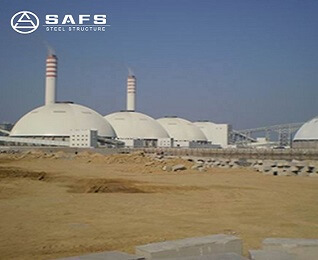
Metal roofing plays a vital role in steel-framed structures, yet its prolonged exposure to diverse environmental conditions renders it susceptible to corrosion. Consequently, implementing effective anti-corrosion measures is paramount.
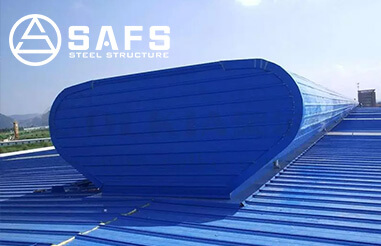
The following outlines common anti-corrosion strategies for steel-framed metal roofing:
Surface Preparation
- Cleaning and Rust Removal: Prior to any coating application, metal roofing surfaces must undergo thorough cleaning to eliminate dirt, grease, and loose rust. Common methods include manual grinding, power tool rust removal, or sandblasting.
- Phosphating: In certain circumstances, the metal surface may undergo phosphating to form a dense phosphate conversion coating. This layer enhances adhesion between the coating and substrate while improving corrosion resistance.
Anti-corrosion Coating
- Primer: The primer serves as the initial layer in the anti-corrosion coating system, primarily providing excellent adhesion and rust prevention. Common primers include zinc-rich primers, epoxy zinc-rich primers, or rust-converting primers.
- Intermediate Coat: Intermediate coats are typically applied to increase coating thickness and enhance barrier properties. Epoxy micaceous iron oxide intermediate coats are a common choice, effectively blocking the penetration of corrosive media.
- Topcoat: The topcoat forms the outermost layer of the coating system, delivering not only corrosion protection but also decorative appeal and weather resistance. Common topcoats include polyurethane and fluorocarbon finishes. Fluorocarbon topcoats, renowned for their superior weather resistance and colour retention, are particularly well-suited for metal roofing systems exposed to prolonged outdoor conditions.
Regular Maintenance
- Routine Inspections: It is recommended that metal roofs undergo a comprehensive inspection at least once annually, particularly following typhoon or heavy rainfall seasons. Inspections should cover coating integrity, bolt tightness, and sealant ageing.
- Localised Repairs: Should coating damage or corrosion be detected, promptly undertake localised cleaning and recoating to prevent corrosion from spreading.
Other Considerations
Material Selection: Opting for aluminium-zinc coated steel sheets or stainless steel sheets with superior corrosion resistance as roofing materials fundamentally enhances protective capabilities.
Design Optimisation: During the design phase, consider roof pitch to ensure rapid rainwater drainage and prevent water accumulation. Simultaneously, appropriately position drainage channels to mitigate water erosion and stagnation.
In summary, an effective corrosion protection system for metal roofs should encompass comprehensive surface preparation, multi-layer anti-corrosion coatings, and meticulous attention to detail. Furthermore, regular maintenance is crucial for extending the roof’s service life and ensuring its long-term anti-corrosion performance.