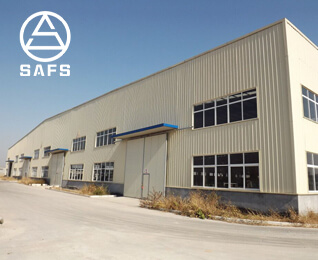
Dapeng Town Industrial Park, Tongshan District, Xuzhou City, Jiangsu Province, China
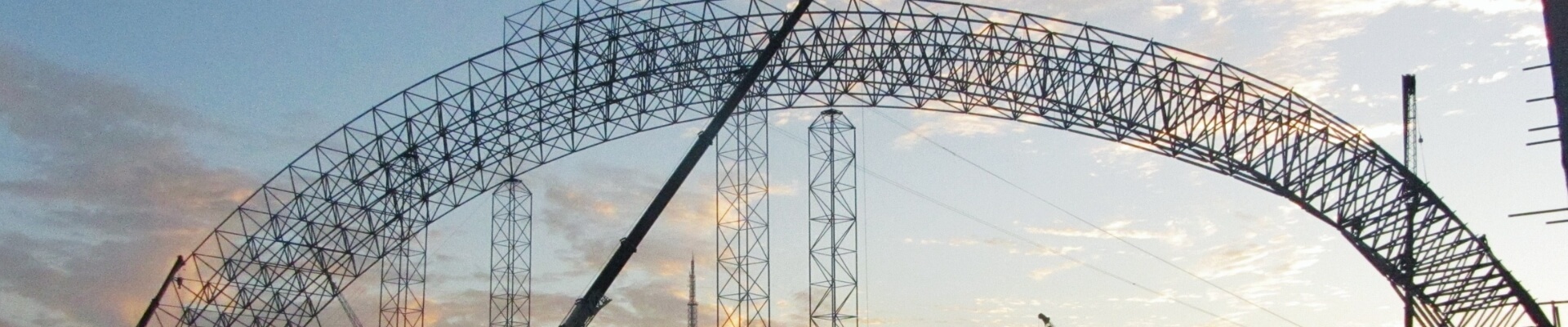
The scope of steel structures is remarkably extensive, with applications spanning civil engineering, industry, power generation, agriculture, petrochemicals, telecommunications and beyond.
In Beijing, iconic structures such as the National Stadium, National Aquatics Centre and Terminal 3 of Capital International Airport exemplify the masterful deployment of steel frameworks. Next, we shall unveil the mysteries of steel structure applications across these diverse sectors.
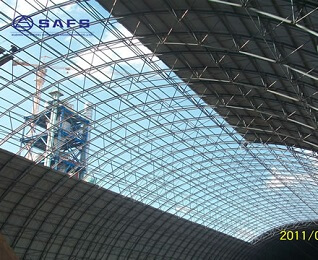
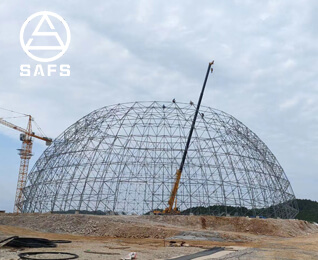
Large-scale public buildings (stadiums, exhibition centres, airports): Steel structures are the ideal choice for achieving large spans and complex forms, endowing buildings with distinctive visual appeal and expansive internal spaces.
Commercial buildings (shopping centres, office towers): They offer designers vast creative freedom, facilitating the creation of contemporary, distinctive building exteriors and flexible, adaptable internal environments.
Refurbishment and extension of existing buildings: Steel construction technology acts as an architectural wizard, enabling safe and efficient additions of storeys or functional upgrades to ageing structures without compromising the original framework, significantly enhancing spatial utilisation.
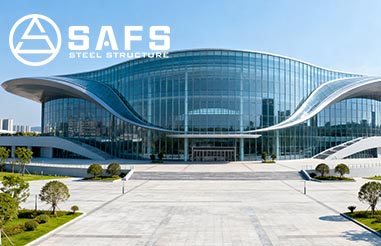
Commercial buildings (shopping centres, office towers): This technology provides designers with extensive creative freedom, facilitating the creation of contemporary, distinctive building exteriors and adaptable interior environments.
In the industrial sector, steel structures are the undisputed mainstay:
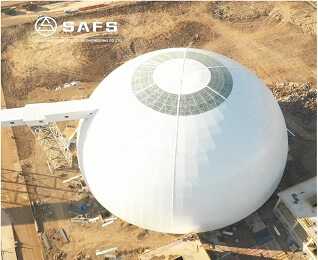
Heavy industrial plants (steel, metallurgy, machinery manufacturing): With their exceptional strength and load-bearing capacity, they effortlessly accommodate heavy equipment, complex processes and sustained vibration, forming the cornerstone of large-scale industrial facilities.
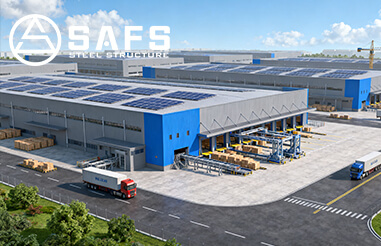
Modern warehousing facilities: The efficiency and flexibility of steel structures make them the ‘masters of spatial optimisation’ in contemporary logistics, enabling the rapid construction of large-span warehouses that meet high-efficiency storage demands.
Wind Power Generation: The towering wind turbine towers represent a masterpiece of steel construction, requiring exceptional resilience to withstand immense wind loads, the weight of the equipment itself, and complex dynamic stresses. They serve as the “pillar of the sky” for wind turbine generators.
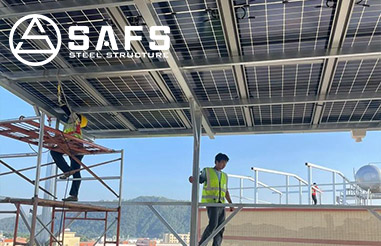
Photovoltaic Power Generation: Steel photovoltaic mounting structures form the foundation of solar power stations. Their design offers flexibility and adaptability, enabling optimal layout according to terrain and sunlight conditions.
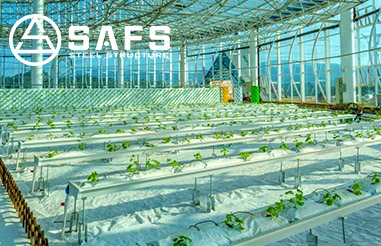
Structurally robust and dependable: Exceptional strength and resilience endow the greenhouse with formidable resistance to wind and snow loads, withstanding the rigours of outdoor environments.
Efficient and adaptable construction: Modular design facilitates rapid assembly and flexibly accommodates diverse cultivation requirements, serving as the steel framework that safeguards stable crop production.
Regardless of the industry in which it is applied, steel structures demonstrate their core advantages:
High strength, low self-weight: enabling greater spans and taller buildings.
Rapid construction, high degree of industrialisation: shortening project timelines and enhancing efficiency.
Design flexibility, strong form-giving capabilities: meeting diverse functional and aesthetic requirements.
Excellent seismic performance: enhancing building safety (particularly prominent in civil and telecommunications sectors).
Environmental sustainability: Materials are recyclable, aligning with sustainable development principles.