Dapeng Town Industrial Park, Tongshan District, Xuzhou City, Jiangsu Province, China
In coastal cities like Dakar, Senegal, with their unique tropical semi-arid climate, designing metal roofing for mosques presents not only an engineering challenge but also an artistic endeavour that blends modern materials with profound cultural heritage. Metal roofing, with its exceptional performance, is increasingly becoming the ideal choice for mosque architecture, yet its design must harmonise aesthetics, functionality, and environmental adaptability.
As sacred places of worship, mosques embody profound religious and cultural symbolism through their architectural styles. The design of metal roofing must strike a perfect balance between contemporary aesthetics and traditional beauty.
Aesthetic and Cultural Integration:
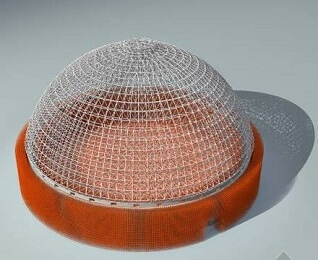
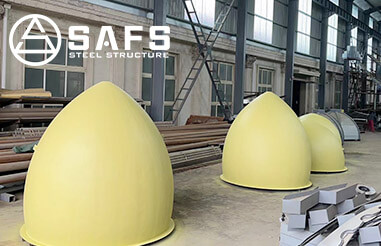
Shape Flexibility: The exceptional malleability of metal materials allows seamless adaptation to the mosque’s iconic domes, minarets, and intricate geometric patterns. Through precision fabrication and installation techniques, smooth, continuous curved surfaces can be achieved, or unique textures formed by panel interlocking, showcasing a solemn yet dynamic architectural beauty.
Colour and Light Play: Selecting appropriate metallic sheet colours—such as silver-grey, off-white, or copper tones with metallic sheen—creates distinctive light and shadow effects under Dakar’s intense sunlight. This allows the mosque to exhibit ever-changing visual allure under varying light conditions, enhancing its sacred aura. Simultaneously, these light hues aid in reflecting solar heat.
Climate Adaptability: Addressing Tropical Coastal Challenges
High-Efficiency Insulation and Ventilation: Given Dakar’s year-round high temperatures, roof insulation is paramount. Designs should incorporate double-layer roofing systems or incorporate a ventilated cavity beneath the metal panels. Ventilation openings at the ridge or eaves create a ‘chimney effect,’ expelling hot air from beneath the roof. This effectively reduces heat transfer into interior spaces, minimises reliance on air conditioning, and achieves energy savings.
Superior Waterproofing and Drainage: Whilst rainfall in Dakar is concentrated, it can be intense. Metal roofs should employ high-performance waterproof connections such as standing seam joints, combined with sufficient roof pitch. Large-sized gutters and downpipes ensure rapid drainage, preventing water accumulation and leaks.
Wind-Lifting Resistance Design: Coastal areas experience frequent strong winds, necessitating robust fastening of metal roofs. Concealed fasteners or specialised locking systems should be employed to guarantee all panels are tightly bonded to the structure. Reinforced fixing measures are essential at wind-vulnerable points like ridges and eaves.
Corrosion Resistance: This represents the paramount consideration for coastal metal roofing. The highly corrosive effects of high salt spray environments necessitate the selection of exceptionally corrosion-resistant materials, complemented by high-quality surface treatments.
Given Dakar’s tropical coastal climate and the specific requirements of the mosque, the following metal roofing materials are ideal choices:
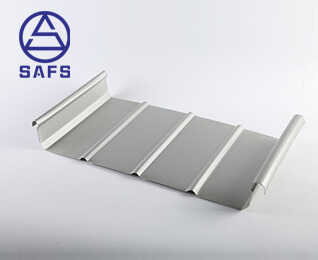
Aluminium alloy sheet / Aluminium-magnesium-manganese alloy sheet (Al-Mg-Mn):
Advantages: Exceptional corrosion resistance, particularly outstanding in salt spray environments, with minimal susceptibility to rust; lightweight properties reducing structural loads; readily formable for flexible adaptation to the complex curved surfaces and irregular shapes characteristic of mosques; surfaces amenable to diverse coating treatments, such as PVDF (polyvinylidene fluoride) coating, delivering superior weather resistance and colour retention.
Rating: ★★★★★
Pre-painted Galvanised Steel Sheet (PPGI) / Galvalume Steel:
Advantages: High strength with relatively low cost; provides sacrificial anode protection through zinc or aluminium-zinc coating, further enhanced by multi-layer high-performance pre-coatings (e.g., PVDF coating) for excellent corrosion resistance and weathering performance.
Considerations: In coastal environments with high salt spray exposure, ensure sufficient coating thickness and exceptionally high-quality pre-coat to withstand prolonged corrosion. Apply specialised anti-corrosion treatment to cut edges and screw holes.
Rating: ★★★★☆
Copper:
Advantages: Possesses a distinctive natural aesthetic and develops a unique patina over time, imparting a singular historical character to structures; exceptionally long service life (up to over a century), with outstanding corrosion resistance.
Considerations: Relatively high cost; patina formation requires time, and initial colour may differ from expectations; requires attention to electrochemical corrosion issues when contacting other metals.
Rating: ★★★☆☆
Regardless of the chosen metal material, high-quality anti-corrosion measures form the cornerstone for ensuring the long-term durability of mosque metal roofing:
High-Grade Coatings: For aluminium alloy or steel sheets, select PVDF coatings with outstanding weather resistance and salt spray performance to prevent chalking, fading, or peeling.
Edge and Joint Treatment: All vulnerable areas—including cut edges, screw holes, and overlaps—require additional anti-corrosion sealing to prevent corrosion initiation at these points.
Prevent Dissimilar Metal Contact: During installation, avoid direct contact between dissimilar metals (e.g., steel structural supports and aluminium roof panels) to prevent electrochemical corrosion. Use insulating spacers or separation layers.
Regular cleaning and maintenance: Periodically remove dust, bird droppings, and vegetation from the roof surface to maintain cleanliness, thereby extending the coating’s lifespan.
The mosque’s metal roof represents a perfect fusion of modern engineering technology and profound cultural heritage. Through meticulous design, the selection of appropriate materials, and the rigorous implementation of anti-corrosion measures, we have created for Dakar’s worshippers a landmark structure that glitters under the West African sun and stands the test of time. It is not only a spiritual sanctuary but also a striking feature on the city’s skyline.