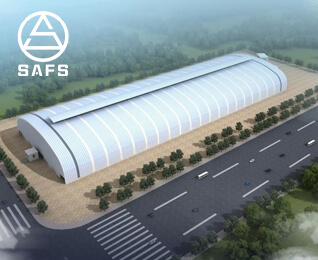
Dapeng Town Industrial Park, Tongshan District, Xuzhou City, Jiangsu Province, China
As the project contractor and steel structure system provider, we are committed to transforming the wastewater treatment plant into a modern infrastructure facility that is safe, durable, efficient, and optimized for total lifecycle cost.
I. Precisely Addressing Complex Environments: Anti-corrosion and Durability Design Are the Lifeline
Wastewater treatment plants are typical high-corrosion environments (C4 and above), which serves as the foundation for all our designs.
Challenges: Corrosive gases and liquids such as hydrogen sulfide, chlorine gas, and sulfates present both inside and outside tanks, coupled with localized humid conditions, pose a severe threat to steel structures.
Our Solution:
Structural Anti-Corrosion Strategy:
Heavy-Duty Coating System: Employ a composite system comprising “epoxy zinc-rich primer + epoxy micaceous iron oxide intermediate coat + polyurethane topcoat,” with increased coating thickness at critical areas.
Hot-Dip Galvanizing: Prioritize hot-dip galvanizing for auxiliary components such as railings, stairs, and platforms to provide long-term protection.
Material Upgrades:
In extreme corrosion zones (e.g., near aeration tanks), consider using weathering steel or applying specialized corrosion protection to connectors.
Structural Corrosion Prevention Design:
Eliminate stagnant water and dust accumulation by designing all steel beams with sloped upper flanges to ensure efficient drainage.
Maintain a clean, streamlined structural profile to facilitate coating application and maintenance.
II. Meeting Core Process Requirements: Load, Space, and Equipment Interfaces
Structure serves as the carrier of process, and must precisely support the workflow.
Large-Span Facility Design:
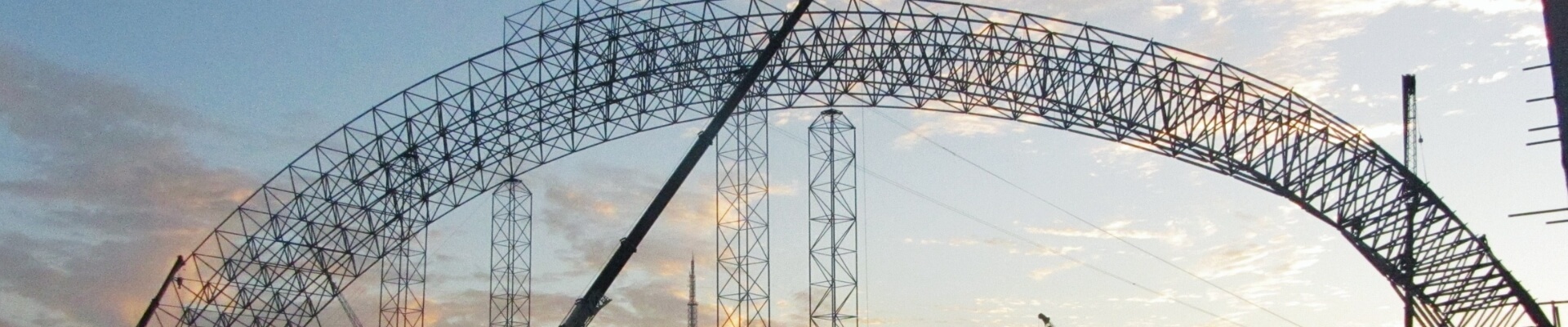
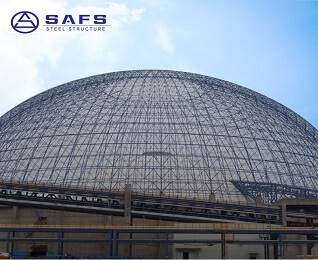
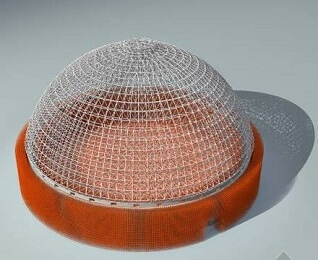
For projects requiring expansive spaces—such as influent pump stations and sludge dewatering workshops—we specialize in employing large-span steel trusses and space frames to deliver maximum flexibility for process layout.
Equipment Loading and Embedded Parts:
We collaborate closely with equipment suppliers to precisely determine the loading requirements (static and dynamic loads) and installation specifications for rotating equipment like blowers, pumps, and sludge thickeners.
Precise embedded part designs are implemented in beams, slabs, and columns to ensure secure equipment installation and prevent the need for concrete drilling later.