Dapeng Town Industrial Park, Tongshan District, Xuzhou City, Jiangsu Province, China
As a steel structure supplier, having been deeply involved in multiple stadium construction projects across Africa, we have gained profound insight into the unique challenges presented by this continent of immense potential. From tropical rainforests to the Sahara Desert, from inadequate infrastructure to skills shortages, each project has served as a comprehensive test of technical adaptability and managerial flexibility.
I.Technical and Environmental Challenges: Tailoring Responses to Africa’s Diverse Natural Conditions
The climatic conditions in Africa pose significant challenges to the durability of structural steel. In West Africa, the hot, arid, and dusty environment leads to severe corrosion of steel canopies. In coastal regions, the high salinity of the air further accelerates the corrosion process of metallic materials.
Solutions:
II.Logistics and Supply Chain Management: Unblocking Resource Channels
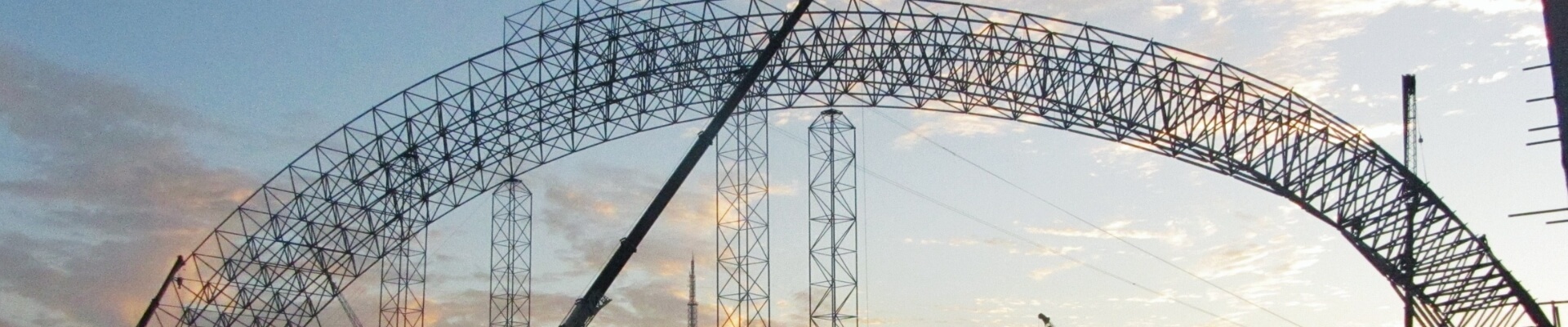
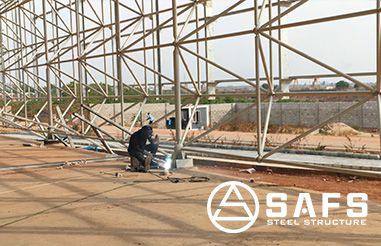
The transportation and hoisting of large steel structural components present another significant challenge, particularly during construction in central urban areas.
Solutions:
III. Skills Shortages and Localisation: Building Local Capacity
The varying skill levels among local workers present a common challenge for projects in Africa. The Kenyan Taranta Sports City project employs over 3,000 local workers, necessitating solutions for training and integration.
Solutions:
Integrating international standards with local practices necessitates intermediary bridges.
Solutions:
IV.Safety Management and Compliance: Maintaining the Bottom Line
The security environment for African projects is complex, requiring both management of local security risks and assurance of construction process safety.
Solutions:
Constructing stadiums in Africa presents a challenging yet immensely rewarding endeavour. Facing multifaceted challenges encompassing environmental conditions, logistics, technology and talent, successful steel structure suppliers must demonstrate technical adaptability, managerial flexibility and long-term commitment.
Through practical validation across multiple projects, we have demonstrated that world-class sports facilities can indeed be realised on the African continent through technological innovation, local integration, and meticulous management throughout the entire process. These steel structures standing tall in African cities not only embody the sporting aspirations of local communities but also serve as enduring testaments to the mutually beneficial cooperation between China and Africa.