Dapeng Town Industrial Park, Tongshan District, Xuzhou City, Jiangsu Province, China
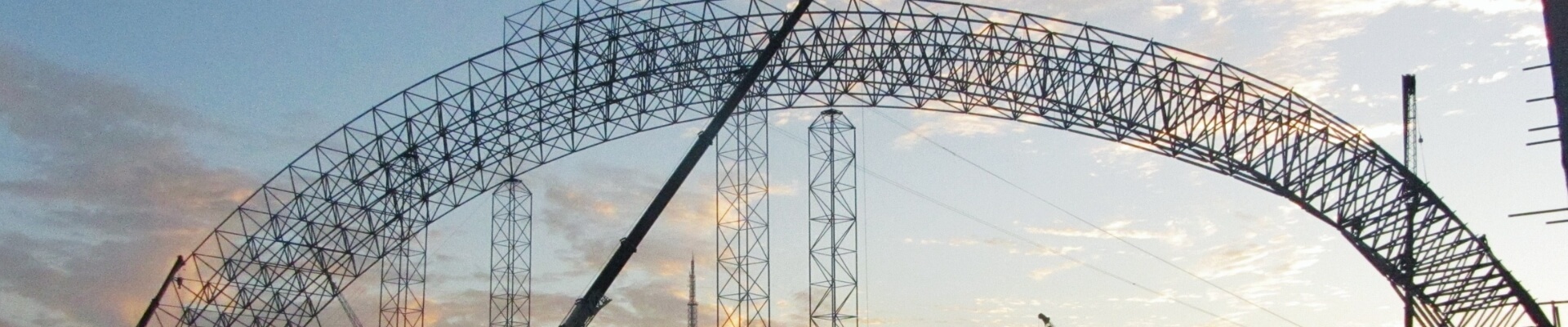
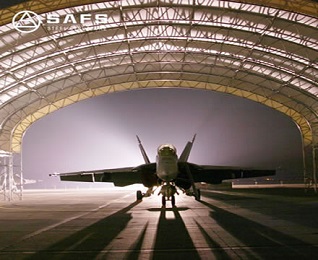
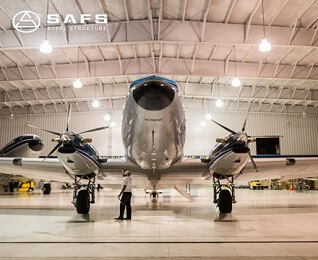
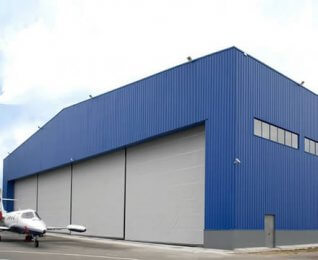
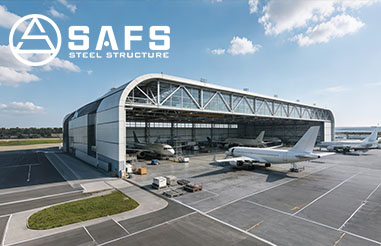
Modern steel structure aircraft maintenance hangars are engineered to deliver exceptional durability, spaciousness, and operational efficiency for aviation industry professionals worldwide. As a one-stop provider of design, fabrication, and installation services, our large-span steel hangars feature sleek minimalist designs—characterized by seamless rooflines, high-strength steel framing, and corrosion-resistant coatings that withstand extreme weather conditions (from frigid temperatures to coastal humidity). Ideal for housing narrow-body, wide-body, or regional aircraft, these hangars offer unobstructed interior space (customizable lengths up to 150+ meters) to support maintenance, repair, and overhaul (MRO) operations, including engine overhauls, airframe inspections, and component replacements. With precision-engineered steel components, our hangars ensure structural stability, quick construction timelines, and long-term cost savings—making them the preferred choice for airports, airline fleets, and MRO service providers seeking reliable, future-ready aviation infrastructure.
| Key points | Causes of occurrence | Impact on purchasers |
| Large span, high clearance | Capable of accommodating large passenger aircraft (A380, B747) in a single bay, with spans typically ranging from 120 to 150 metres and roof heights exceeding 30 metres. | The structure’s own weight, deflection, and material consumption are substantial, resulting in high quotations and extended lead times. |
| Strict fire and explosion prevention requirements | The interior of the hangar stores flammable substances such as fuel and lubricants, and must meet Class II fire resistance (≥2 hours) and explosion-proof requirements. | Additional costs for fireproof coatings, partition panels, etc., coupled with numerous construction procedures. |
| Corrosion resistance, weather resistance | Salt spray and humidity in coastal or high-temperature regions cause ordinary steel to rust rapidly. | Wei Hua, increasing rental and labour costs. |
| Extended construction period and high costs | On-site welding and hoisting of large-span steel structures present considerable challenges, often requiring over 6 months to complete. | Project delays will impact subsequent aircraft maintenance schedules, increasing rental and labour costs. |
| Difficulties in operational maintenance inspections | Working at height, with dense internal piping, requires shutdown or specialised platforms for routine inspections. | Maintenance costs are high, and potential hazards are difficult to detect. |
| Proposal | Specific approach |
| High-strength prestressed steel structures | Utilise 0355+ prestressed strand with a mesh spacing of 6 metres, featuring fully welded joints or high-strength bolts. |
| Corrosion-resistant metal roofing | 0.6mm aluminium-zinc coated steel sheet is selected, with a fluorocarbon topcoat applied to the surface (weather resistance: 25 years). |
| Comprehensive Fire and Explosion Prevention Measures | Apply fire-resistant coating (fire resistance ≥2.5 hours) to steel components within 3 metres of fuel pipelines; install fire barriers at critical locations. Provide complementary explosion-proof water cannons (flow rate = 30 litres per second) and an automatic sprinkler system. |
| Prefabricated assembly | All steel structures and columns are prefabricated in the factory, with on-site work limited to lifting, bolting and secondary anti-corrosion treatment. The construction period can be compressed to approximately 30 days. |