Dapeng Town Industrial Park, Tongshan District, Xuzhou City, Jiangsu Province, China
Stadium developers and architects across the Middle East grapple with a distinct set of hurdles that push traditional construction methods to their limits: sweltering temperatures that soar beyond 50°C, abrupt sandstorms, the necessity for vast column-free spans, and tight project schedules to keep pace with the region’s booming sports and entertainment sector. Conventional building materials frequently come up short—concrete succumbs to thermal stress with cracks, while generic steel frameworks struggle to strike a balance between structural soundness and design adaptability. For those in search of a solution that flourishes amid the Middle East’s harsh conditions, tubular truss steel assemblies have risen as the undisputed preferred option.
First, exceptional thermal resilience positions tubular truss steel assemblies as the ideal fit for the region’s extreme heat. Unlike concrete, which soaks up and retains heat leading to structural wear and tear, the hollow design of tubular steel minimizes thermal expansion and contraction. Its smooth exterior also reflects sunlight, cutting down on heat absorption—a crucial benefit in a region where energy efficiency ranks high as both an economic and environmental concern. Even during extended heatwaves or sudden shifts in temperature, the truss system holds steady, avoiding the cracks and warping that plague less durable building materials.
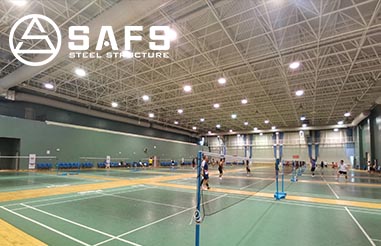
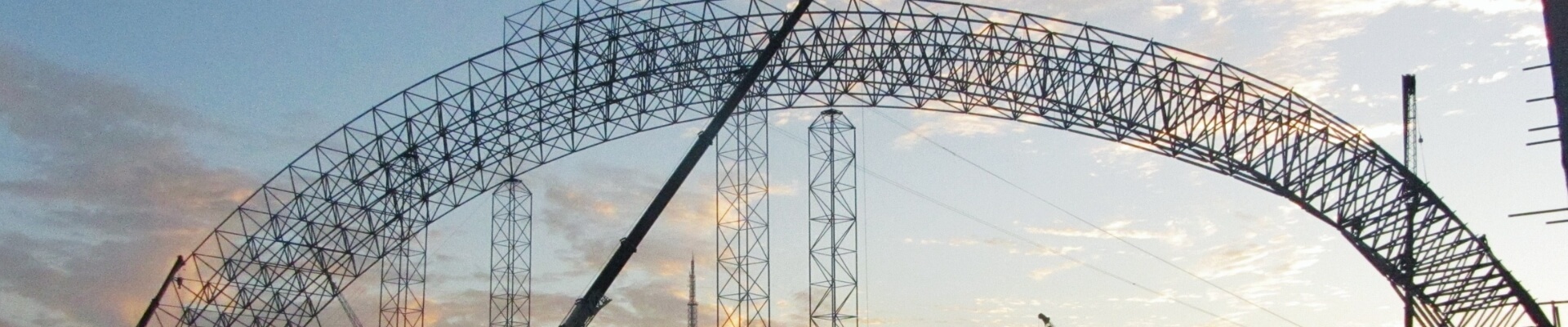
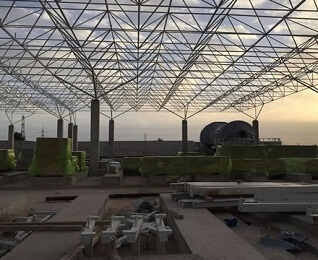
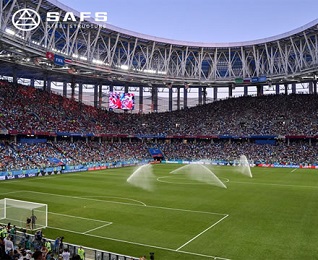
Second, superior span capabilities address the Middle East’s demand for grand, unobstructed stadium spaces. Tubular truss steel assemblies form lightweight yet sturdy frameworks that can span hundreds of meters without relying on supporting columns, crafting unobstructed views for spectators and flexible layouts suitable for sports events, concerts, and exhibitions alike. This design proves especially valuable for iconic stadium projects—from Dubai’s world-class arenas to Qatar’s FIFA-ready venues—where architectural splendor and functional space work in perfect harmony. The truss’s triangular structure distributes loads evenly, guaranteeing structural safety even when faced with wind pressures triggered by sandstorms.
Third, fast, efficient construction aligns seamlessly with the tight project timelines common in the Middle East. Tubular truss components are prefabricated in factories to exact specifications, reducing on-site labor needs and minimizing delays caused by harsh weather or logistical challenges. The modular design enables quick assembly, significantly shortening the construction timeline compared to concrete structures. For developers racing to meet event deadlines or capitalize on tourism opportunities, this speed translates to cost savings and faster returns on investment—key factors in the region’s competitive infrastructure landscape.
Beyond these core advantages, tubular truss steel assemblies offer additional perks tailored to Middle Eastern needs: corrosion resistance (vital for coastal stadiums in Bahrain or Kuwait), design versatility to bring futuristic architectural visions to life, and low long-term maintenance costs. Its ability to withstand sand, heat, and humidity ensures stadiums remain functional and visually impressive for decades, even in the region’s harshest environments.
Are you planning a stadium project in the Middle East and navigating challenges like extreme heat, span requirements, or tight timelines? Or have you encountered limitations with traditional construction materials in previous projects? Share your experiences or questions below—we’re eager to explore how tubular truss steel assemblies can be customized to turn your vision into reality!